UK driving licence requirements are the essential rules and criteria that individuals must meet in order to legally obtain and hold a driving licence in the United Kingdom. These requirements are set and managed by the Driver and Vehicle Licensing Agency (DVLA) to ensure that all drivers are competent, responsible, and safe on the road.
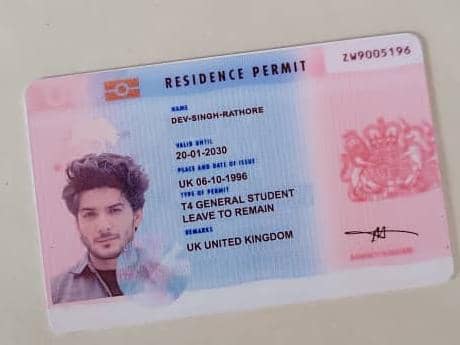
To apply for a UK driving licence, applicants must first meet the minimum age requirement. For a car driving licence, the standard age is 17 years, although learners can apply for a provisional licence at 15 years and 9 months. Applicants must also be legal residents of the UK and provide valid identification documents to verify their identity and address.
Another key requirement is meeting the eyesight standard. Drivers must be able to read a number plate from a required distance, ensuring they have adequate vision for safe driving. If corrective lenses are needed, they must be worn while driving.
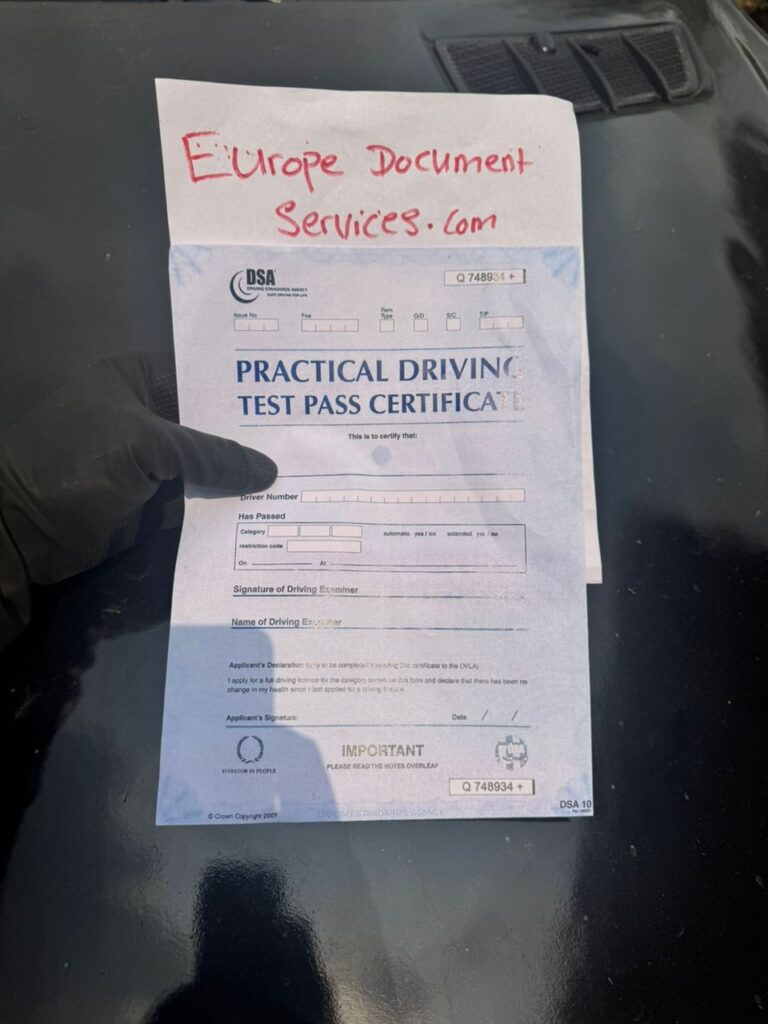
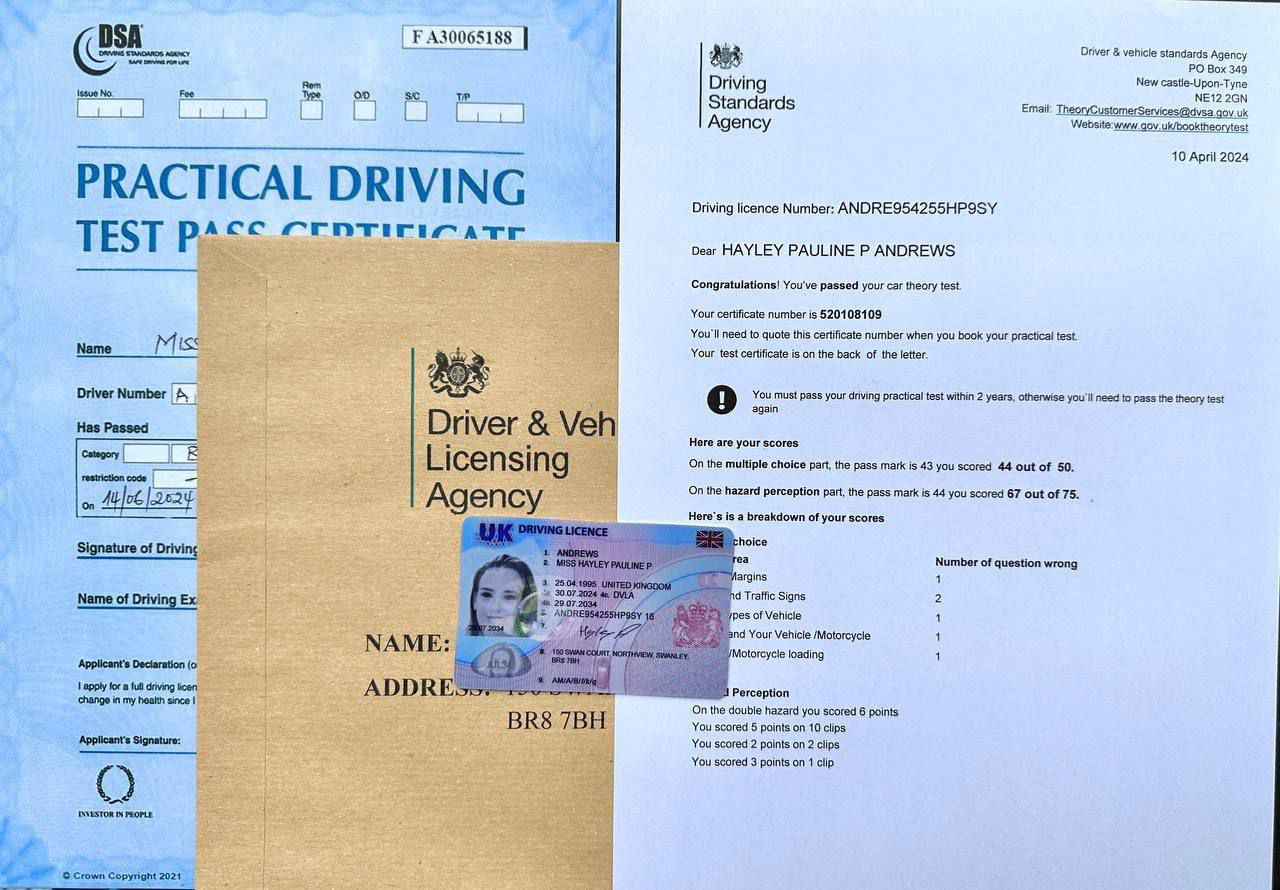
Before obtaining a full licence, applicants must first pass the driving theory test. This exam assesses knowledge of road signs, traffic laws, and hazard perception skills. After this, learners must successfully complete the practical driving test, which evaluates real-world driving ability, including vehicle control, observation, and road safety awareness.
Applicants must also follow DVLA rules regarding documentation, including providing a valid passport or identity document and paying the required fees for application, testing, and licence issuance.
Once all requirements are met and tests are passed, a full UK driving licence is issued. This licence allows individuals to drive independently and is also widely used as an official form of identification.
Overall, UK driving licence requirements are designed to ensure safety, competence, and responsibility, helping maintain high driving standards across the country.